


The Late-to-Talk Child
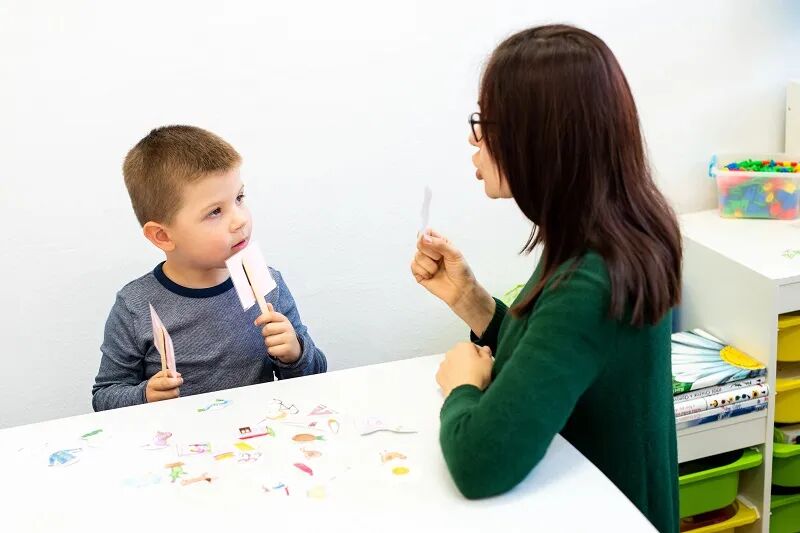
Why It’s Not as Simple as “They’ll Talk When They’re Ready”
Two-year-old Alec (a pseudonym) is a quiet child. Because both parents are working, his daily care is mainly provided by his nanny, who is none-the-less an attentive and loving carer. During a well-child appointment at 18 months old, his pediatrician raised concerns after a routine language screening, but the family felt that he’s still young, and preferred a 'wait and see' approach.
However, by the time he is two, his mother notices that other children Alec's age are already using short 2-3 word phrases. Alec, by contrast, is still limited to one-word utterances. Family members try to reassure his parents: “He understands everything. Some children just talk late- he’ll be fine when he grows up.”
But is this kind of ‘waiting it out’ really advisable?
Talking Late: Myth vs Reality

What is a Language Delay?

Can Language Delay Resolve on Its Own?
The Cost of Language Delay

What about kids in multi-language environments?

A Parent’s ‘Red Flag’ Checklist:


Protect Your Child’s Language Future
Language is the foundation of a child’s learning, social interaction, and emotional development. If you have any concerns about your child’s language development, a professional assessment can provide clarity.
The Am-Sino Healthcare speech therapy team at Olivia’s Place offers evidence-based, professional Speech-Language support. An evaluation can give your family reassurance and ensure your child receives appropriate, timely intervention.

Wechat Enquiries
& Appointments